
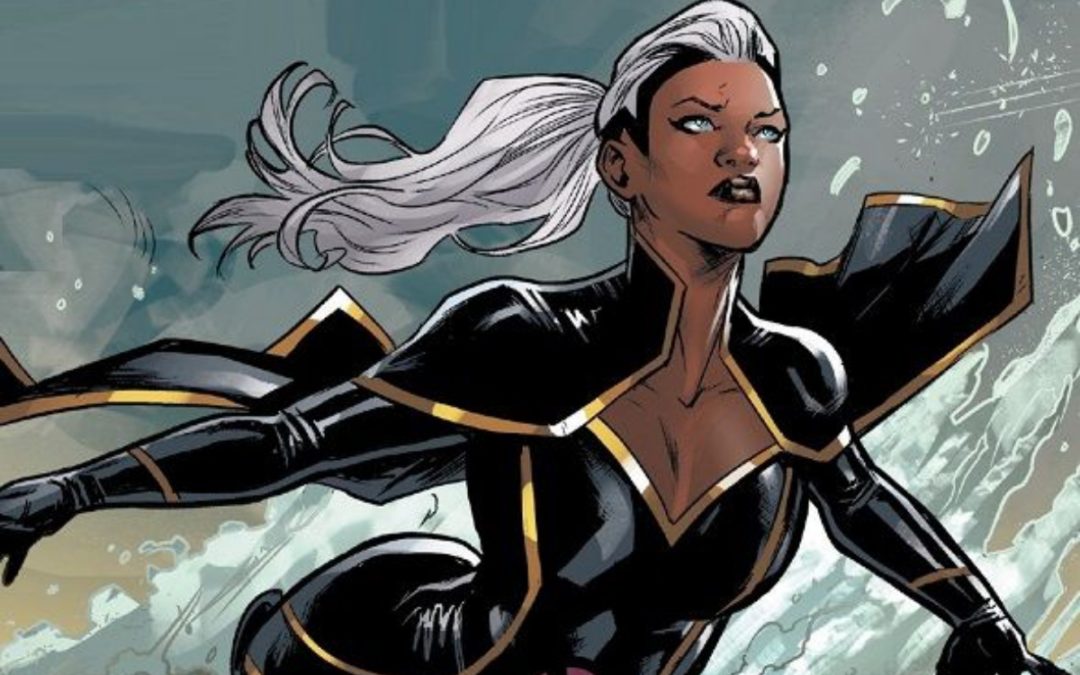
It’s Women’s History Month, and as I reflect on the plights and successes of Black women today, I’m reminded of news a friend recently shared with me: that Riri Williams is getting her own series on Disney+.
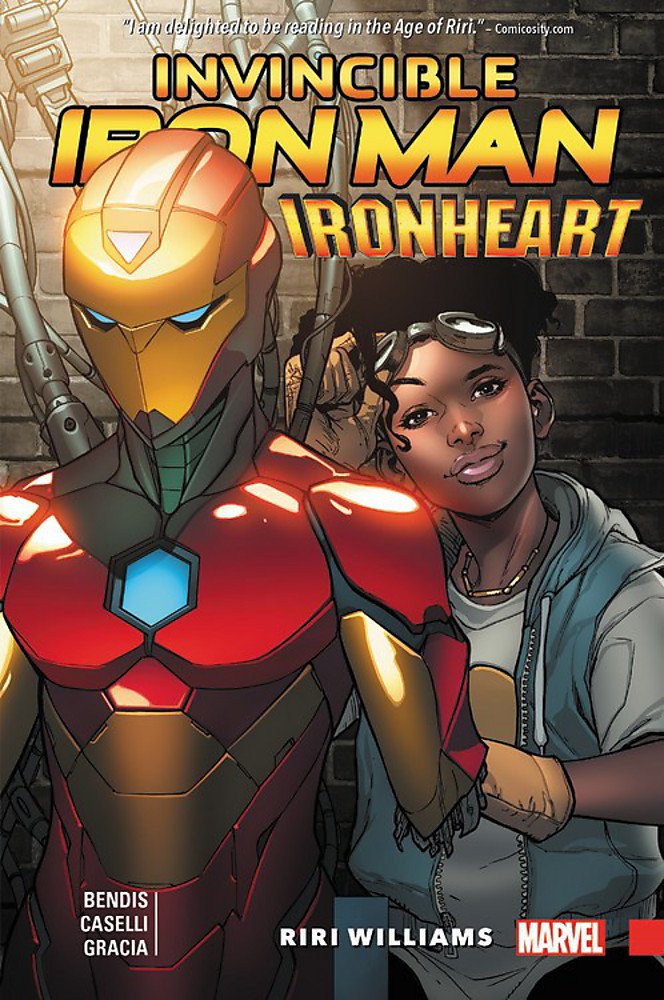
For those who don’t know Riri Williams, a.k.a. Ironheart, she is a Black 15-year-old super-genius who’s partnered up with Iron Man. Since Iron Man is one of my all-time favorite superheroes, you can imagine my excitement when I first learned about her creation. It was great seeing a young Black girl in STEM, like myself, in the big leagues with other well-known superheroes.
You can then imagine my disappointment when I discovered her mixed reception thanks to certain writing choices for her character and background. Some criticisms she received were similar to the ones Miles Morales (a young Spider-Man born of a Black father and Puerto Rican mother) received when he was first introduced: that the creators made these choices just to pander to get more readers, that they were nobodies replacing well-established heroes (which isn’t entirely true), or that it was an unnecessary push towards “political correctness.” I could go on and on about how that last opinion is more harmful than constructive and that it’s the farthest thing from “unnecessary” to show good representation for a diverse audience, but that’s not exactly what this blog post is about.
Fortunately, you don’t see those kinds of reactions for them as often these days. There’s been time for these characters to come into their own in more comic book issues (and, in Miles’ case, an Oscar-winning movie and award-winning video games), and the writers have been able to flesh them out as proper characters over the years. That being said, having received so much feedback from the nerd community and being on a roll regarding quality Marvel TV shows on their platform, I want to have faith Riri Williams will get the shine she deserves on her Disney+ show.
But thinking of Riri Williams and trying to consider other Black women who get the spotlight, I’m once again reminded of one reason I took up writing in the first place: I was unsatisfied with how few Black female superheroes there are. But with 2021 being the “Year of the Black Woman,” I’m manifesting that we’ll get more by picking out some more favorites I have seen.
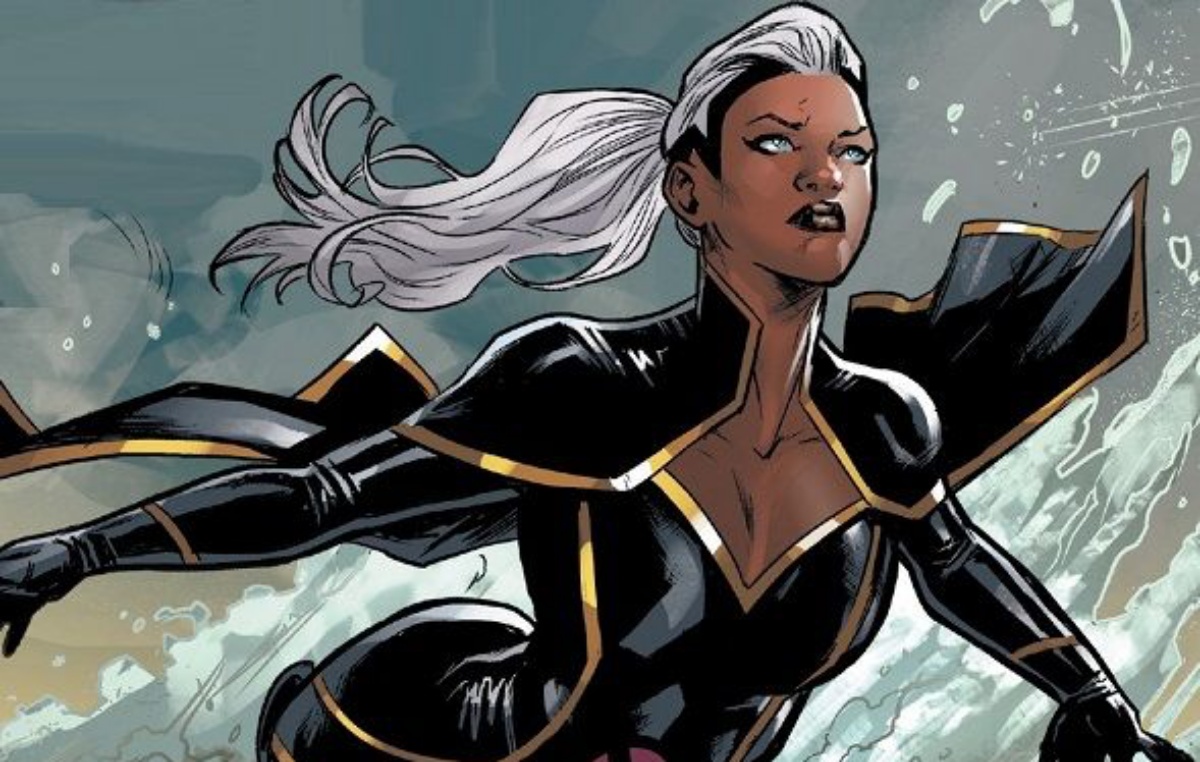
Storm (Ororo Munroe). She’s probably the biggest name on this list, and the first Black woman superhero I ever saw growing up with the X-Men movies and animated TV shows. She was wise, caring, and considered one of the most powerful mutants of their world with her ability to control the weather. She even became a queen for some time when she married T’Challa (Black Panther), though they later separated. She and Misty Knight were the first two Black major female characters between DC and Marvel.
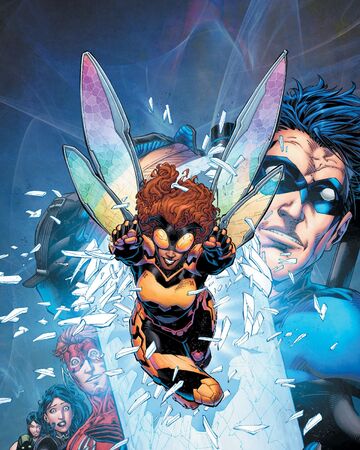
Bumblebee (Karen Beecher-Duncan). She had so much flavor in the animated TV show Teen Titans, no joke. Depending on continuities, she could shrink to the size of an insect with or without a superpowered suit, fly, and fire electrical “stings.” She was an undercover agent helping the heroes, witty, intelligent, and had style for days—it’s no wonder they made her the leader of Titans East. In Young Justice, she was even more complex, becoming a lab assistant (STEM girls stay winning) who had to juggle her relationship with her boyfriend and her career, and later a wife and mother willing to do anything for her baby girl, even if it means making a controversial call: turning her into a mutant so she can survive in the world. Whether or not she was wrong for doing it, you can’t deny her strength and conviction.
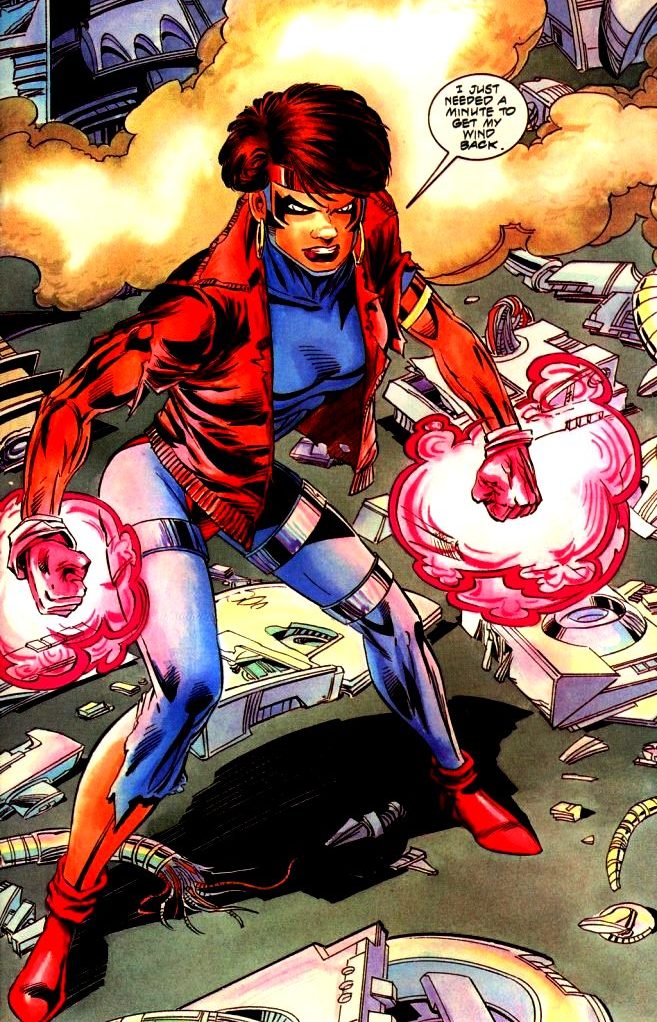
Rocket (Raquel Ervin). Rocket gets slept on often, and it’s a shame because she’s the definition of “Black Girl Magic.” One of her creators is the late and great African-American writer Dwayne McDuffie, who also created the young Black male superhero Static and was the head writer for famous shows Justice League and Justice League Unlimited. Raquel is a sidekick to alien negotiator Icon (who was integral to Black history in their universe) and fights with a force field that manipulates kinetic energy. She’s skilled at writing, gymnastics, and hand-to-hand combat. To date, she’s the first and only single teen mother to exist in superhero comics. One of her famous quotes: “All my life, the odds have been against me, but I always expected to win. Not practical, but I’ve always found a way before. I’ve always managed.” Like I said—Black Girl Magic.
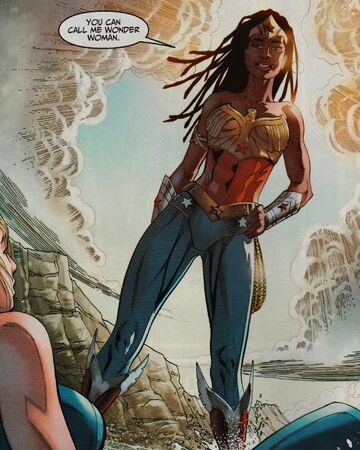
Nubia (Wonder Woman). I’ll be the first to admit I know the least about Nubia of all the powerful Black women on this list, but from what I do know, she deserves way more credit than just being known as “the Black Wonder Woman” even if they’re twins and share a similar power set. Seriously, anyone who can hold their own against the Wonder Woman deserves major props. She’s DC’s first Black female superhero with her debut just three years before Bumblebee’s. Her YA graphic novel Nubia: Real One just released last month. It’s a reimagining of her story headed by Black women just as fierce: author L. L. McKinney and artist Robyn Smith.
Will 2021 actually be our year? Unfortunately, precognition isn’t one of my superpowers, so I don’t know. It’s still early, though Amanda Gorman started the year off right with her poem at President Joe Biden’s inauguration, and we do have Simona Brown’s knockout performance in Behind Her Eyes along with legendary actress Octavia Spencer becoming a superhero in the upcoming movie Thunder Force (yes, I’m unironically interested in it). All I know is that women need to be lifted up no matter their situation or background, and Black women are no exception. A valid way of doing it is by showing quality representation (and having them in the writing rooms, thanks), whether it’s on a screen or in ink—giving us someone we can relate to or get inspired by. And during times like these, we can’t forget to lift each other up, too. If anyone’s gotta be on our superhero team, it’s us.
penned by Diva Ferrell